How to Photograph Alley Life Respectfully: A Local Culture Checklist
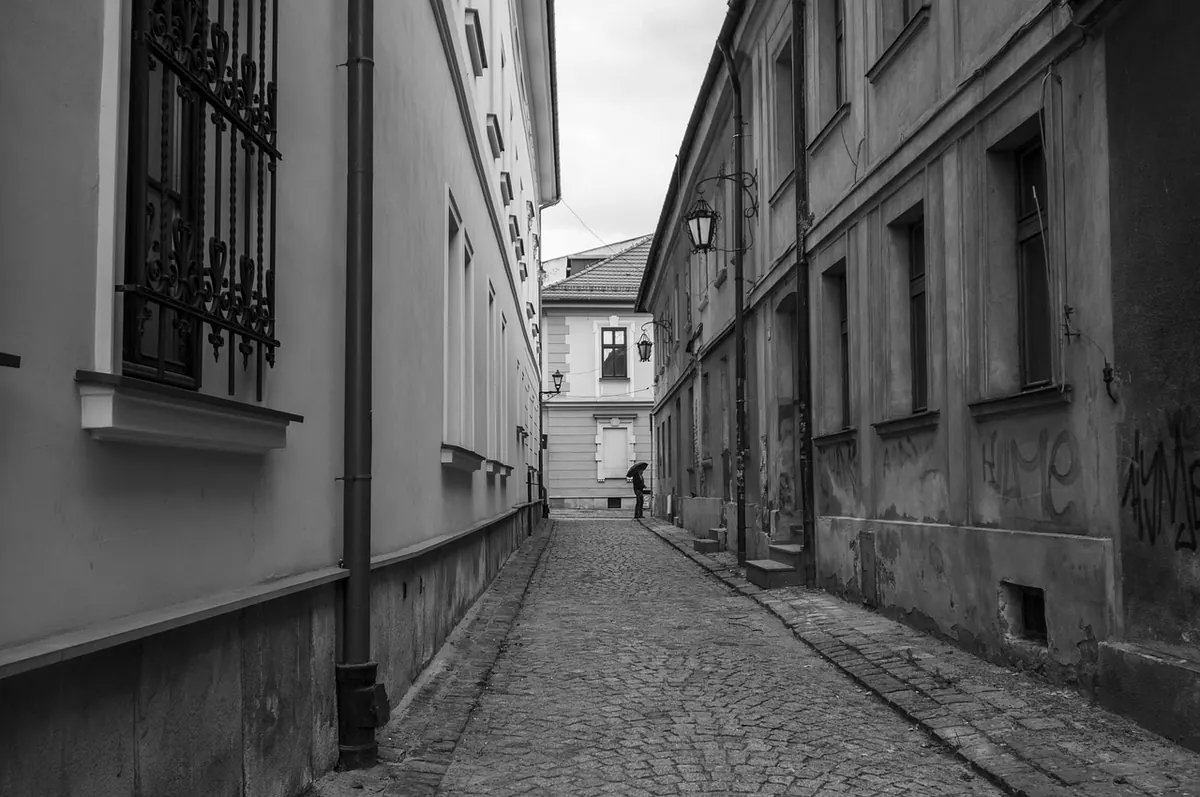
There is a particular stretch of late afternoon when an alley becomes a corridor of light: one wall turns gold, the other goes blue, and a cat picks its way along the warm side. Anyone who has carried a camera into an old town knows that minute. It is also the minute when a kitchen window stands open, someone's washing hangs across the gap, and a neighbour is hauling shopping up three flights of stone stairs. To you the alley is a photograph. To them it is a hallway. Holding both facts at once is the whole craft, and it is easier than most photographers think.
The first pass is reconnaissance, and the camera stays down. Walk the length of the alley, turn around, walk it again. Notice where the chairs are: a plastic seat on a step, a bowl of water for the neighbourhood cats, a pair of slippers left outside a door. Those objects tell you where the private life of the street is anchored. Set up a tripod beside a chair someone uses every evening and you will be asked, politely or otherwise, to move on.
Learn the street's clock, too. Early morning belongs to deliveries and to the people sweeping their thresholds. Midday empties it. Late afternoon brings the passeggiata and the smell of whatever is happening in the kitchens. If you want empty stone and raking shadow, come early. If you want life, come when life actually happens, and accept that it is not staged for you.
Use the first pass to find two or three frames worth returning to: a doorway framed by a bend, a stair that catches light for twenty minutes. Use the second pass to wait at them. Standing still for ten minutes reads as patience rather than intrusion, and residents are far more relaxed with a person who has clearly found a spot and settled into it than with someone drifting past with a long lens.
Public street and private life overlap in alleys more than anywhere else, and the boundary is rarely a line on a map. A workable rule: if you would have to step over something, reach past something, or raise your camera through an opening to see it, it is not yours to photograph. Open doors are the classic trap. The homeliest, most beautiful frame in the street may be someone's hallway, their coat hooks, their table laid for lunch.
Photograph the frame instead of the room. A worn lintel, a curtain moving, the shadow of a half-open door — all of these carry the feeling you are after without exposing a person's interior to a stranger's lens. Keep laundry lines, nameplates, mailboxes and house numbers out of the composition where you can. If they must stay, plan to blur them later.
A person hanging washing is the photograph. That does not make them part of the architecture. If someone is the clear subject of your frame, ask, even if it costs you the shot. A raised camera and a questioning look, or a single word in the local language, does most of the work. If the answer is a shake of the head, smile, lower the camera, move on. There is no clever workaround and no reason to want one.
Children deserve a firmer line: no photograph without a parent's clear agreement, and no photograph at all if getting that agreement means following a family down the street. People at work — a baker at his oven, a woman repairing a chair in her doorway — are concentrating on something else. A nod first, then the camera. If they are busy, come back. Some of the best portraits in small streets are second attempts.
Before you press the shutter, run down this list. It takes less time to read than to write.
If any answer makes you hesitate, step back two metres or wait. Almost every alley frame improves with a little distance and a little time.
Narrow streets are dark for most of the day and then deliver one dramatic band of light. That is the pleasure of them, and it does not require a studio. Raise the ISO rather than switching on a flash. Brace the camera against a wall, a railing or a stone corner; a folded jacket on a step makes a decent rest, though not on someone's actual doorstep. Wait for the light to reach the right patch of wall instead of chasing it down the street.
Go small. One body, one lens, quiet shutter, no legs spread across a passage. A photographer with a single camera tends to move through a street rather than occupy it, and residents read that difference immediately. Shoot raw so you can lift the shadows later without turning the stonework to mush.
If you are challenged, lower the camera first and talk second. Apologise in whatever local phrase you have, badly if necessary; the effort counts for more than the grammar. If you are asked to show the picture, show it. If you are asked to delete it, delete it while they watch. Arguing about permissions in the middle of a street wins nothing worth winning.
Afterwards, treat the files with the same care. Blur faces of people who did not agree, and blur house numbers and nameplates that could identify a home. Do not geotag a private doorway or caption a photo with the name of a family. Be honest in the caption about anything you arranged. A posed shot presented as spontaneous life is the small dishonesty that spoils a good street series.
The practical habit that ties all of this together is restraint. Give a street ten minutes before you shoot anything. When a frame needs a person, wait for one who does not notice you. Then go home and delete the ones that only work because they were taken at someone's expense. Two photographs you could hand to the person in them are worth more than twenty you would rather not explain, and the alley — being a hallway, after all — will remember which kind you took.
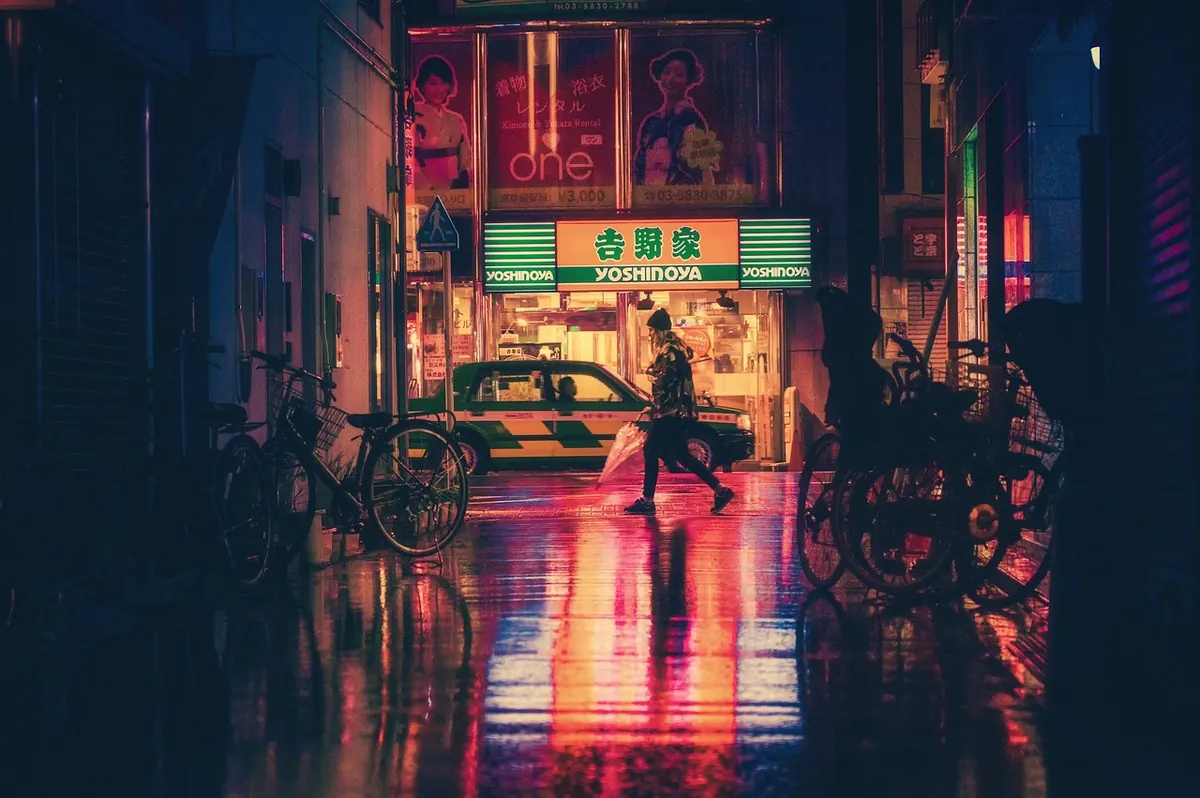
Photo: MasashiWakui / Pixabay
Previous Post
Explainer: Why Small Neighborhood Shops Still Matter in a Chain-Store Era
Next Post
Comparison: Morning Market Streets vs. Afternoon Market Streets