7 Common Mistakes Visitors Make in Local Corner Cafes
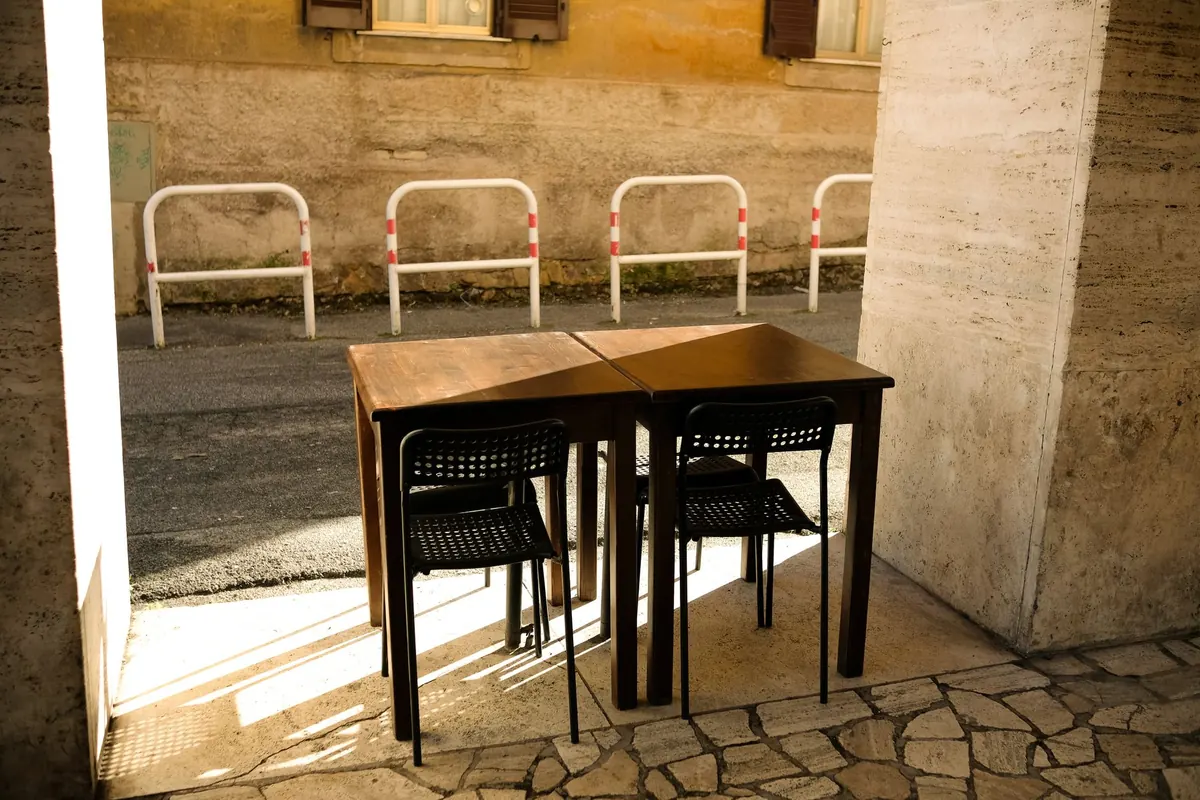
The corner cafe looks simple from the pavement. Three tables, a chalkboard, someone in an apron who seems to know every name in the room. Then you push the door open and the rules shift. Where do you order? Do you sit? Do you pay now or later? Is that little dish on the counter for tips or for receipts? Nobody is unkind about it. You just feel yourself being gently managed for thirty seconds, and you leave with the sense that you missed something.
Most first-time visitors make the same handful of small mistakes. None of them will ruin a morning. But fixing them is the difference between a coffee you forget and a cafe you return to three days running, because you stopped being a stranger at the door.
Two kinds of corner cafe exist, and they look almost identical from outside. In the first, you order and pay at the counter, then either stand at the bar or carry your cup to a table. In the second, you sit down and someone comes to you. Standing in the doorway waiting for a host who does not exist is the most common opening move, and it usually ends with a barista waving you toward the till while you apologise.
Look for the clues before you commit: a menu chalked above the machine, a till at the end of the counter, a cluster of people standing with small cups. That is a counter-first cafe. Menus already on the tables, a stack of clean plates, someone greeting you from across the room — that is table service. Failing that, watch the person ahead of you for five seconds and copy them. Then step aside once you have ordered, so the next person can reach the bar. The counter is a workspace, not a waiting room.
In a corner cafe, coffee is a category, not a drink. Say what you actually want: espresso, macchiato, cappuccino, filter, decaf, a pot of tea. If the menu is in a language you don't read, point at something and ask what it is. Nobody is offended by curiosity, and you will end up with a better cup than the default.
Decide before you reach the counter. The machine is already hissing and the person behind you has four minutes between buses. Order your food and your drink at the same time, and if you want something long and complicated, ask for it when the bar is quiet rather than at half past eight with eight people waiting.
One small thing worth knowing: in many cafe cultures, milk-heavy drinks are a morning habit. Ordering a cappuccino after lunch is not against the law anywhere. You may simply get a raised eyebrow and a smile.
Two things trip people up here: price and space. In plenty of cafes, sitting at a table costs more than standing at the bar. It is not a trick — you are paying for service, a chair and the room. If you are watching your spending, order at the counter and ask whether table service changes the bill. Nobody will think less of you.
Space matters more than visitors expect. A four-top at nine in the morning is four people's breakfast, not a desk for one. Do not drag chairs between tables without asking. Put your bag on the floor rather than on the seat someone might need. If a table looks free but has a coat over the back or a half-finished cup on it, it belongs to someone. And when the place is full, drink standing. The espresso tastes the same and you will be out in four minutes.
Every corner cafe has a pulse. It usually runs like this: a hard rush first thing, a second push at lunch, a long quiet stretch in between, then a slow wind-down. Places that serve food often stop cooking well before they stop serving drinks. Some close one weekday. Some shut entirely for a few weeks in high summer.
That rhythm should shape your visit:
Trust the sign on the door over the hours you found online. Chalkboards get updated; listings don't.
Payment is where otherwise confident visitors suddenly look uncertain. Do you pay when you order or when you leave? At the counter or at the table?
The honest answer is that it varies, and asking is completely normal. "Do I pay now or after?" is a sentence every barista has heard a thousand times and will answer without judgement. In counter-service places, pay when you order and keep the receipt. In table-service places, pay at the end, usually at the till on your way out.
Carry a little cash. Not because cards are unwelcome — in most cities they are standard — but because small places sometimes have a minimum, or a card machine that sulks. Round up or leave the coins in the dish; a large tip is not expected and can even be awkward. And don't drift out of the door without settling, even if you are late. Settle the bill first, then run.
Corner cafes are generous with their space. That generosity has limits, and the limits are the busy hours.
Nursing one espresso for ninety minutes across a lunch service is the fastest way to turn a warm welcome into a cool one. If you want to work, take a small table, avoid the rush, order something every hour or so, and ask before you plug anything in. Headphones on is fine. A conference call in a room the size of a bus shelter is not.
The bigger version of this mistake is treating the place as a transaction. Say good morning when you walk in — to the room, not just the barista. Don't loiter in the doorway on the phone. Don't ask for the wifi code before you have ordered. When you leave, say thank you and mean it. In a cafe where the same forty people come
Photo: Matteo Basile / Pexels
Previous Post
Neighborhood Guide: Mapping a Day of Errands Through the Old Quarter
Next Post
Hidden Corners Checklist: 10 Small Details to Notice on a Single Alley Walk